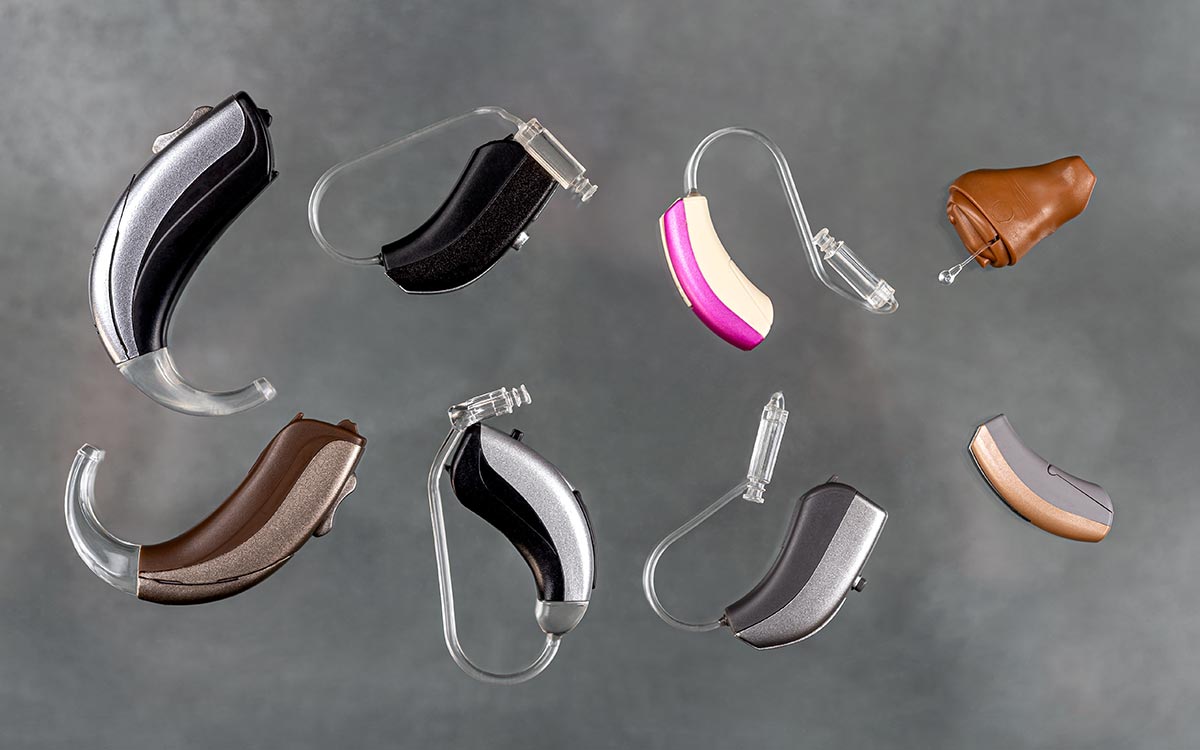
Selecting the right hearing aid can be an arduous task, given the vast array of styles, sizes, and technological features available in modern devices. But no matter your needs, there’s a hearing solution for every lifestyle, preference, and degree of hearing loss. The key is simply choosing the one that fits you best.
Gaining a clear understanding of common hearing aid categories will empower you to make a wise decision for your hearing health. We are going to analyze the primary styles available today to help you understand what sets each option apart.
The ITC (In-the-Canal) Style Explained
The Definition:
A custom device is engineered to sit partially within the ear canal while showing just an inconspicuous section in the outer ear area.
Key Primary Points:
- Less noticeable than standard full-size models
- Individualized shaping ensures long-term wearing comfort
- Designed to treat low to moderate hearing impairments
ITC devices offer an excellent equilibrium between visibility and functionality, making them an ideal choice for first-time users.
Exploring IIC (Invisible-in-Canal) Options
The Concept:
IIC hearing aids are the smallest custom style available. They sit deeply inside the ear canal and are virtually invisible when worn.
Why they are popular:
- Maximum cosmetic discretion
- Strategic positioning allows for a very organic listening experience
- So light and small that users often don’t notice they are wearing them
Because of their tiny stature, IIC devices typically work best for mild to moderate hearing loss and for those who prefer an almost invisible option.
Full and Half-Shell ITE Varieties
Structural Data:
A custom hearing aid fits securely within the outer ear, available in both full-shell and half-shell configurations. Every unit is specifically personalized to match your ear’s unique shape.
Value Proposition:
- The bigger size makes it feasible to include more internal components and longer-lasting batteries
- Easier to handle for those with dexterity challenges
- Effective for a wide range of hearing impairments, ranging from mild to severe
ITE models are often selected by individuals who want a simple, all-in-one design without behind-the-ear components.
Traditional BTE Units
What they represent:
BTE hearing aids sit securely behind the ear. Audio is delivered via an ultra-fine tube or a personalized mold in the canal.
Why people select them:
- Highly versatile and durable
- Effective for almost every level of hearing impairment
- The size provides plenty of room for the latest connectivity features and rechargeable hardware
For those who value a dependable device that is easy to manage and provides plenty of volume, BTE is a top choice.
Modern RIC Models
What they are:
While they resemble BTE units, RIC aids set the speaker directly in the canal for improved sound delivery.
Why users select them:
- Minimizes the “plugged up” sensation for more pure hearing
- Offers an incredibly low-profile look that is easy for almost everyone
- An adaptable choice that works for various degrees of auditory needs
RIC units are extremely common currently because they balance appearance with powerful functionality.
Extended-Wear Hearing Aids
Usage Summary:
These devices are inserted far in the ear canal by a hearing professional and can stay in place for several weeks at a time.
The Appeal:
- Perfect for users who want to avoid the routine of handling hearing aids daily
- Sitting deep in the ear makes them completely hidden from view
- Built to endure the stresses of sleep, exercise, and showering without being removed
If you want an auditory solution that requires zero daily thought, the extended-wear style is perfect.
Bluetooth-Enabled Hearing Aids
Tech Details:
Connectivity-focused hearing aids that utilize radio to integrate with your digital life.
Modern Benefits:
- Allows for sharp phone calls and media streamed directly to the device
- Gives you the power to adjust your volume and programs via a smartphone app
- Provides the ultimate in ease for those who use smartphones regularly
Most contemporary RIC, BTE, and ITC hearing aids currently provide a Bluetooth-enabled version.
Understanding Middle-Ear Implant Systems
Design Layout:
An operatively implanted device that physically vibrates the middle ear bones to amplify sound.
Why implants are used:
- Serves as a critical alternative for those who find no success with traditional amplification
- Solves the issue of canal discomfort caused by regular hearing aids
Candidates for middle-ear implants must undergo a comprehensive evaluation by an expert specialist.
Finding the Hearing Aid That Suits Your Life
There is no single “best” hearing aid; rather, there is a best one for you, determined by your medical needs and personal comfort. A specialist can offer the guidance needed to test out different styles and find the one that fits your life perfectly.
Start moving toward an environment of better sound by arranging an appointment with a hearing specialist. It is the most important step you can make toward a more vibrant and confident life.
Sources:
https://www.mayoclinic.org/diseases-conditions/hearing-loss/in-depth/hearing-aids/art-
20044116
https://www.hearinglife.com/hearing-aids/types
https://www.nidcd.nih.gov/health/hearing-aids