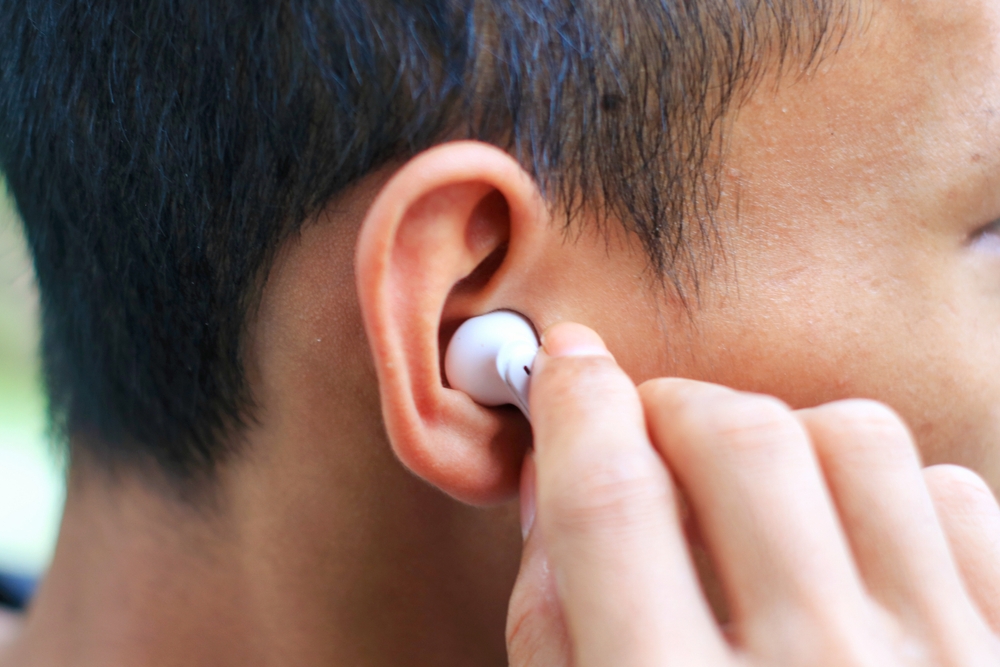
Rarely do we see a young adult in public without an earbud in their ears. Even with their larger footprint, headphones remain a popular choice for teenagers looking to disconnect from the world. The appreciation for music is a cross-generational trait, yet younger individuals often depend on it for constant background stimulation. Given their intimate position near the eardrum, are these devices a legitimate threat to our hearing? The danger is not inherent to the technology but is instead a product of specific usage habits.
Too Much of a Good Thing
Acoustic stimuli can act as a sedative, an emotional balm, or a powerful stimulant depending on the tempo. This subjective experience is dictated by the specific characteristics of the chosen track. Utilizing personal audio devices is considered a social courtesy, allowing for private enjoyment in communal spaces. This behavior is socially beneficial, and commuters often report a preference for this shared auditory boundaries on public transit.
From an audiological perspective, we must define the specific thresholds for safe volume and exposure duration. The biological fact is that high-intensity sound waves are inherently damaging to the auditory system. Sustained exposure to extreme volumes can result in irreversible trauma to the auditory nerve. Since hearing shifts occur incrementally, the window for prevention has often closed by the time a patient seeks help.
The Key Dangers of Headphones and Earbuds
Sound pressure level is the primary variable in the development of **NIHL**. Yet, we must remember that the length of time spent listening is equally important as the decibel level.
- The National Institutes of Health advises that sounds under 70 decibels are generally safe for the human ear.
- There is a direct correlation between increased sound pressure and the speed of hearing degradation.
- Follow the 60/60 rule. Keep the volume under 60%, and avoid using them longer than 60 minutes at a time.
- Protect your hearing by turning down the volume on your device and limiting your exposure.
Indicators That You May Need a Hearing Evaluation
If you notice muffled speech, struggle with background noise, experience **tinnitus**, or constantly require others to speak up, a professional evaluation is necessary.
Reach out to our care team immediately if you are concerned about your current hearing sensitivity.