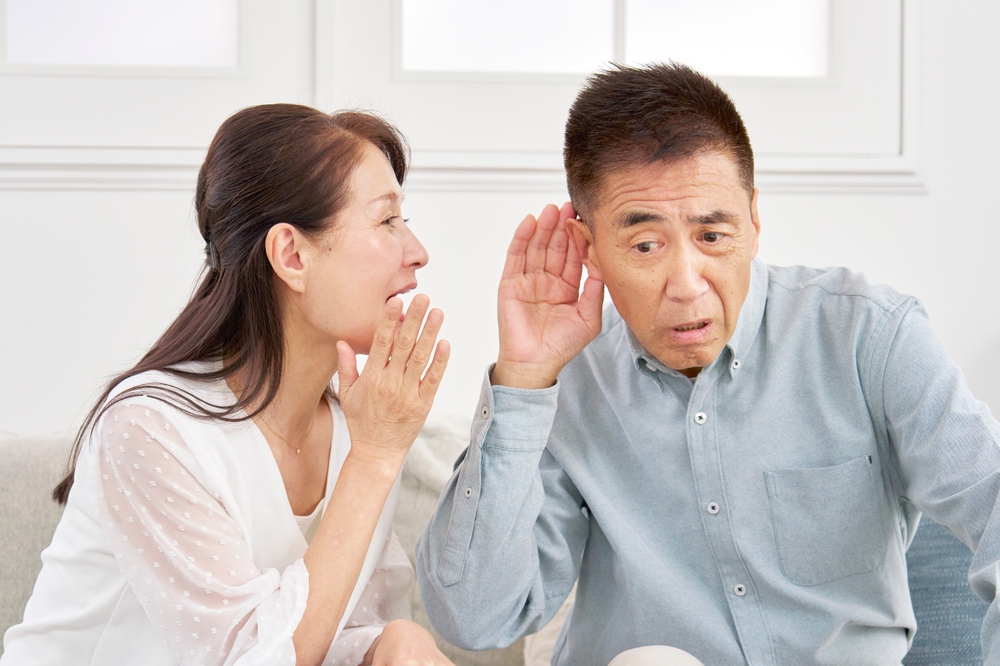
While auditory decline is statistically prevalent, pervasive misconceptions often deter individuals from pursuing clinical intervention. When managing hearing loss, timely intervention is a fundamental requirement for long-term health. Adhering to standard hearing myths often leads to diagnostic delays and a measurable decline in life quality.
If you have concerns about your hearing, knowing the truth (and the myths!) can help you make informed decisions about your health and proceed with greater confidence. We will now examine seven prevalent auditory myths and the clinical evidence that refutes them.
1. Myth: Only Older Adults Have Hearing Loss
While age-related hearing changes are common, hearing loss can occur at any age. Factors such as acoustic trauma, genetic markers, ototoxic drugs, and viral infections trigger hearing issues in youth.
Labeling hearing loss as a senior-only problem often causes younger patients to overlook critical early warning signs.
2. Myth: If I Can Hear, I Don’t Have Hearing Loss
An individual can suffer from hearing loss without experiencing a complete loss of sound. Individuals with moderate deficits may hear volume but lack the clarity required for word discrimination. Audiology recognizes a diverse spectrum of impairment levels that fall short of total deafness.
Signs of decline often involve poor speech-in-noise recognition and significant mental strain after talking with others. These are common early signs of hearing changes that should not be ignored.
Myth Three: The Misconception of Minor Impact
The impact of aural decline reaches into the cognitive and emotional well-being of the patient. Evidence-based research correlates auditory neglect with social anxiety, mental fatigue, and depressive symptoms.
Managing your hearing health is a critical step in preserving your holistic quality of life.
Myth: Amplification Devices Accelerate Ear Damage
The fear that hearing aids weaken the natural ear is a persistent but medically unfounded myth.
Hearing aids do not damage your ears. Instead, they amplify sounds based on your hearing test results. Consistent use of hearing aids maintains the neural pathways required for clear sound interpretation.
Myth Five: The Aesthetic Stigma Fallacy
Recent innovations in hearing science have prioritized both power and miniaturization. Modern hardware has reached a peak of efficiency, offering discrete aesthetics with high-fidelity sound. Patients can now choose custom-molded options that sit deep within the ear canal for total discretion.
These devices provide high-tech solutions like automatic environment sensing and hands-free calling functionality.
Myth: Small Hearing Changes Don’t Warrant Clinical Action
Even mild hearing loss can impact communication and daily life. Using hearing help for mild cases reduces the heavy “brain power” usually required to decode speech.
Early clinical action ensures that the brain’s auditory processing centers remain sharp and functional.
Myth: One-Size-Fits-All Hearing Solutions Work for Everyone
While OTC options offer simple volume boosts, they cannot address the unique nuances of your ear health. Professional diagnostics ensure your hearing solution is “tuned” to your specific environment and biology.
Custom-fit solutions provide a level of acoustic fidelity that generic devices simply cannot match.
Moving Beyond the Myths to Auditory Health
Any change in hearing can feel scary, which is why many people brush it off and delay seeking care. Relying on misinformation ensures that your auditory challenges will become more difficult to manage. You’ll find that a hearing screening is a comfortable and highly enlightening clinical experience.
Taking the first step toward a hearing test is the best way to safeguard your long-term communication. Early intervention can improve not only communication, but also overall quality of life.
For more information or to book your next hearing test, please contact our clinic today. Call us today for a consultation.