Auditory obstruction can be disorienting, often making you feel isolated from the world around you. Many people immediately worry they’re experiencing permanent hearing loss when, in reality, the cause may be something much simpler: cerumen accumulation.
Understanding the distinction between earwax buildup vs. hearing loss can help you determine when a simple solution is possible and when it’s time to seek a hearing evaluation. In the event you are experiencing dull hearing, remain calm. While only a clinician can confirm the cause, reviewing these key markers of wax vs. auditory decline can provide instant insight.
Recognizing Cerumen Blockage Symptoms
Cerumen (cerumen) is a natural, protective substance that helps capture dirt and debris and keeps the auditory canal functional. The trouble begins when this material accumulates to the level of a physical obstruction.
Typical indicators of an obstruction include:
- A noticeable decrease in hearing level
- A sensation of ear pressure or a “plugged” sense
- Canal irritation or mild pain
- Constant buzzing or ringing sounds
- Sound sharpness that shifts or improves momentarily with jaw movement
A signature of blockage-based sound changes is asymmetry, usually impacting one side over the other. The positive aspect is that clinical clearance usually ends in an immediate return of your original hearing capacity.
What Hearing Loss Feels Like
Auditory decline, particularly age-related or trauma-based hearing loss, tends to progress slowly and doesn’t improve when the canal is cleaned.
Common indicators of permanent hearing impairment include:
- Battling to track conversations when background noise is present
- Frequently requesting people to restate themselves
- A tendency to boost sound output notably to make up for hearing loss
- Difficulty hearing high-frequency sounds like birds or soft voices
- Auditory ability uniformly diminished on both sides
A key difference is that actual loss misses the physical “clogged” feeling that follows an earwax impaction.
Key Differences at a Glance
By analyzing the onset and particular symptoms, you can frequently determine which condition is affecting you:
- Timing: Earwax issues often appear abruptly; auditory impairment develops gradually
- Resolution: Cerumen hearing shifts are usually temporary; hearing loss is often irreversible
- Sensations: Physical “plugging” leads to cerumen, while the inability to clarify sounds points to impairment
- Asymmetry: Wax often affects one ear; auditory impairment commonly impacts both
Why Clinical Intervention is Necessary
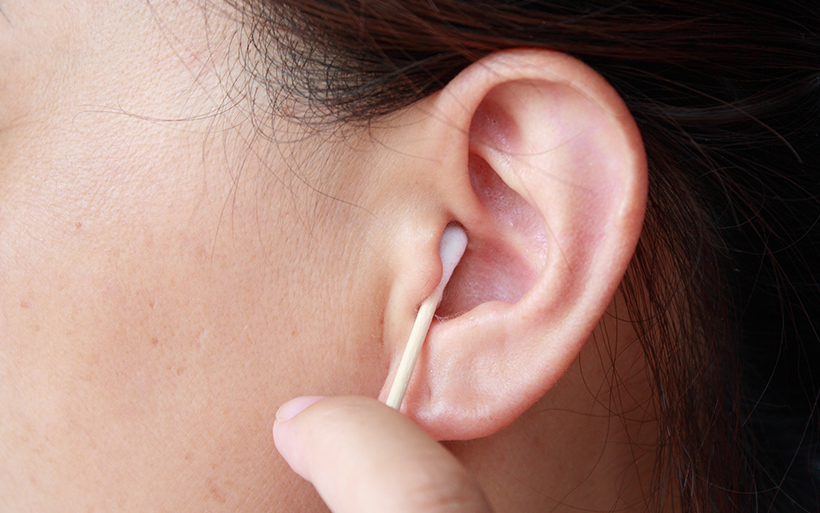
It’s tempting to presume cerumen is the culprit — and grab for cotton swabs or store-bought kits. Regrettably, these can shove wax deeper and worsen the situation.
Medical data shows that DIY removal often results in unintended damage or more difficult-to-treat impactions.
Postponing a professional evaluation for actual impairment can result in missing out on solutions that protect your long-term mental and social health.
The Importance of a Professional Otoscopy
A clinician can employ an otoscope to instantly see if a physical blockage is visible.
If cerumen is present, clinical extraction often clears symptoms immediately.
If no wax is found, a diagnostic audiogram will be used to identify the nature and degree of any hidden impairment.
The NIDCD recommends prompt assessment whenever changes in auditory function conflict with your daily life.
Choosing the Right Solution for Improved Hearing
Feeling as if auditory signals are muted doesn’t always signify a permanent change.
Very often, the issue is merely a collection of cerumen that can be quickly resolved.
Seeking expert care guarantees you find the specific cause and the proper remedy for your auditory requirements.
In the end, an expert exam is the only certain way to distinguish between a fleeting obstruction and a lasting change.
Locating the cause soon protects your well-being and provides you with the peace of mind you deserve.
If your hearing seems off, avoid guesswork. A brief exam can provide all the difference, so contact our practice of clinicians today.