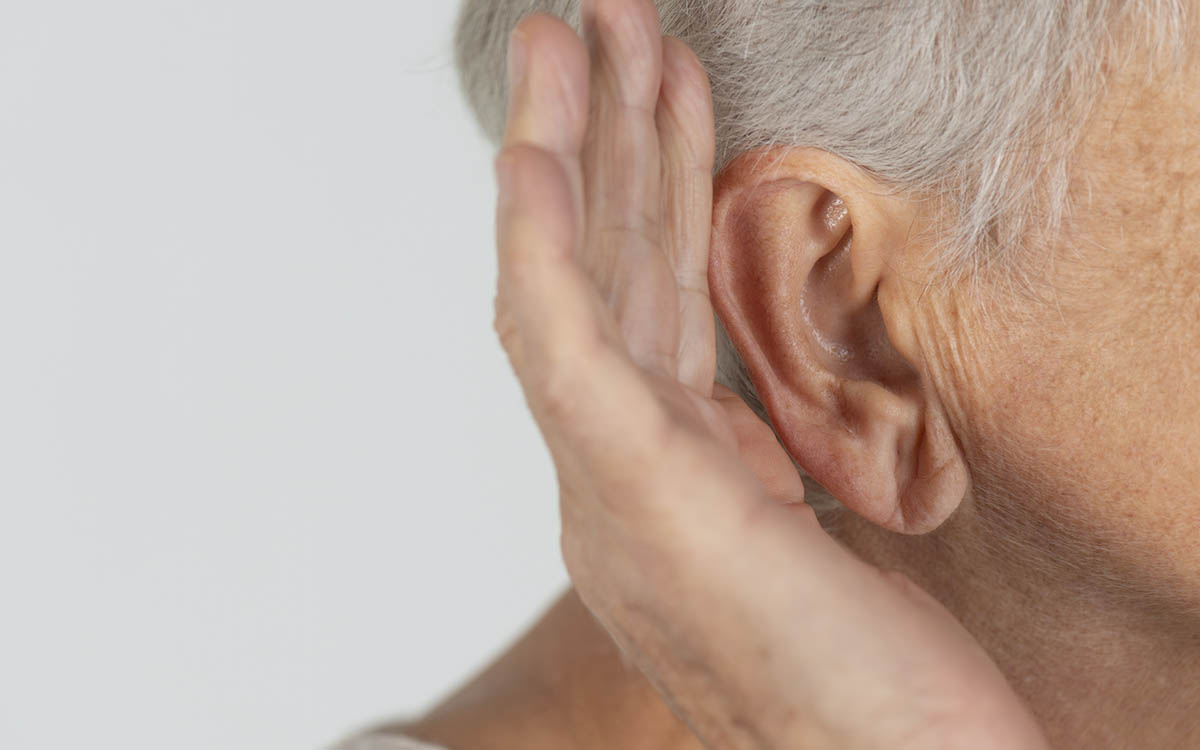
Most people associate hearing loss with advancing age, yet for a vast number of citizens, ear injury manifests significantly sooner. Among the most frequent and preventable categories of auditory damage, noise-induced hearing loss frequently develops incrementally, but it often occurs gradually and goes unnoticed until the effects are permanent.
Comprehensive knowledge of how chronic noise exposure affects the ears facilitates proactive protection before substantial hearing loss manifests.
What Is Sound-Triggered Hearing Loss: A Pathophysiological Analysis
This form of hearing loss is precipitated by excessive acoustic energy damaging the fragile internal structures of the auditory system. The Centers for Disease Control and Prevention state that, acoustic levels surpassing 85 decibels can induce ear damage following repeated or lengthy exposure. Higher intensity sounds, including those generated by machinery, music venues, or firearms, may result in immediate damage.
The internal auditory system houses delicate sensory units termed hair cells. The function of these cells is to transduce mechanical vibrations into neural impulses for cerebral processing. Following injury, these hair cells lack the biological capacity to regenerate, which renders noise-related hearing loss an irreversible condition.
Tracking the Accumulation of Sound-Related Trauma
The insidious nature of noise-induced hearing loss is highlighted by its gradual developmental timeline. Early-stage symptoms resulting from noise exposure often include:
- Transient auditory sensations such as ringing or buzzing (Tinnitus)
- Subjective hearing attenuation or muffling after high-decibel events
- Impaired speech discrimination in the presence of background noise
The cessation of these early symptoms often leads to the false perception that the auditory system has fully healed. In fact, chronic noise exposure causes ongoing trauma to inner-ear anatomy, incrementally diminishing auditory acuity and threshold sensitivity.
Statistics from the HLAA suggest that 48 million Americans have some form of hearing loss, frequently with unidentified etiology.
Everyday Environmental Noises Contributing to Hearing Damage
We live in a noisy world, and it’s easy to become desensitized to loud sounds. For this reason, many people are surprised to learn how common harmful noise exposure is.
Potential sources include:
- Concert settings and loud musical performances
- High-volume output from personal listening equipment
- Lawn equipment, power tools, and motorcycles
- Industrial workplace environments such as warehouses and construction sites
Because these sounds are often part of daily life, damage can accumulate without clear warning signs.
Implementing Prevention in Auditory Health
Noise-induced hearing loss is physiologically irreversible, unlike many other health impairments. The condition is, however, susceptible to effective preventative strategies. Adopting straightforward preventative behaviors can markedly decrease the likelihood of injury, including:
- Employing earplugs or specialized earmuffs during high-decibel exposure
- Lowering headphone volume and following the “60/60 rule”
- Scheduled breaks from noise to facilitate ear recovery time
- Maintaining regular clinical screenings and Audiology visits
Indications for Professional Hearing Evaluations
Should you experience persistent Tinnitus or a decline in conversational understanding, a professional evaluation is indicated. Early intervention through an Audiologist allows for the monitoring and implementation of essential protective measures.
Prioritizing auditory health now ensures the preservation of hearing clarity for the future. Noise may be unavoidable, but hearing loss doesn’t have to be!. Contact our team today to schedule a consultation and make sure you’re hearing your best.