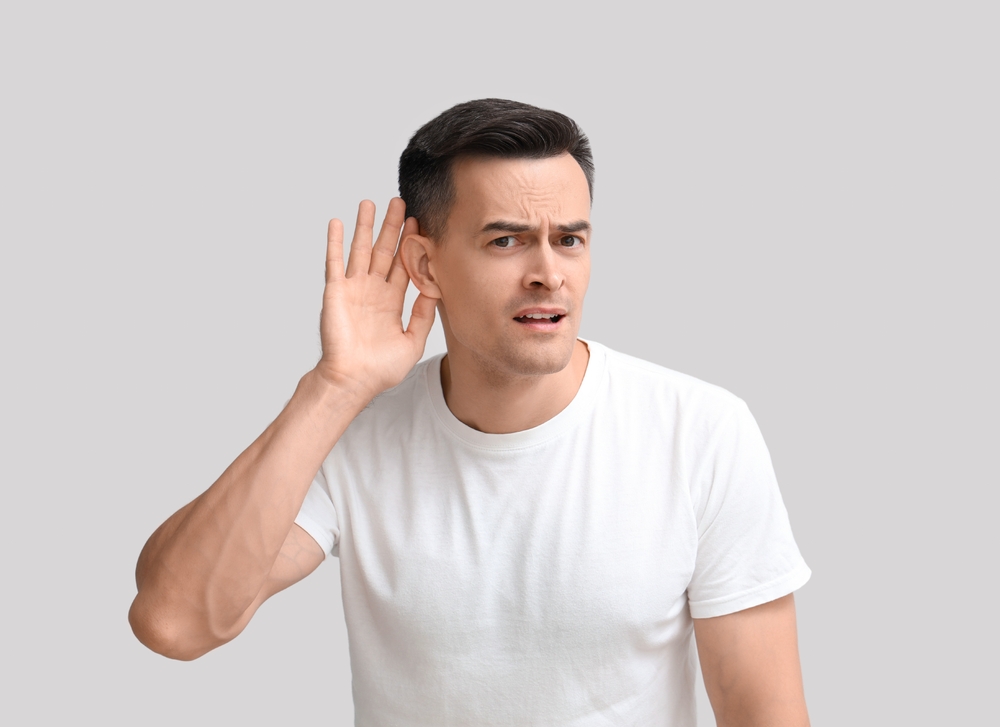
Have you ever felt totally drained after a long conversation or social gathering?
It is easy to misattribute this fatigue to general stress, lack of sleep, or sensory overload. And it’s true that for introverts or people with sensory issues, social situations can be exhausting. In many instances, this persistent drain is the result of a condition called auditory fatigue.
Essentially, auditory fatigue is the result of the brain over-functioning to compensate for poor sound quality. The brain’s attempt to reconstruct incomplete audio data requires an immense amount of “processing power” and neural energy. Accumulated listening strain eventually manifests as the profound exhaustion associated with auditory fatigue.
It is common for patients to conflate auditory fatigue with general daily exhaustion. In many cases, persistent fatigue serves as a diagnostic “red flag” for early-onset hearing impairment. A comprehensive assessment can help determine whether hearing loss is contributing to your symptoms. Should these symptoms persist, it is vital to discuss the possibility of hearing loss with a healthcare professional.
The Physiological Triggers of Auditory Fatigue
Multiple variables contribute to heightened cognitive demand during sound processing, elevating the risk of auditory fatigue.
Why Untreated Hearing Impairment Causes Fatigue
One of the most common causes is untreated hearing loss.
The inability to capture high-frequency sounds forces the brain to work double-time to interpret the message. Relying on context rather than clarity places an unsustainable burden on the brain during everyday conversations.
Auditory Fatigue in Social Settings
Busy environments can worsen auditory fatigue. Restaurants, meetings, family gatherings, and social events often include background noise competing with speech.
When multiple sounds occur at once, the brain must filter through them to identify the important information. This process can create cognitive overload, especially for people with hearing loss (even mild cases).
Distortion, Tinnitus, and Cognitive Drain
Chronic tinnitus compounds listening effort as the brain struggles to ignore internal noise while focusing on external speech.
Degraded signal quality resulting from hearing loss forces the auditory cortex into an inefficient processing loop.
Common Signs of Auditory Fatigue
Auditory fatigue can affect both mental focus and overall energy levels. Frequently observed symptoms include:
- Experience of deep cognitive depletion following verbal interaction
- Reduced focus during professional or social group settings
- Development of “listening headaches” after long social events
- Irritability or frustration in social settings
- A tendency to “tune out” or physically leave social gatherings
- Requiring immediate sensory deprivation or sleep after socializing
If these symptoms occur frequently, it may indicate that your ears and brain are working harder than they should.
The Cognitive Cost of Auditory Decline
Clear auditory input allows the brain to interpret sound with virtually no conscious effort. When input is weak, the brain must “steal” processing power from other areas to manage auditory interpretation.
Researchers describe this as increased cognitive load. This energy shift often leaves the patient struggling with recall and attention while they try to listen. The long-term effect of this cognitive shift is the profound “emptiness” felt after socializing. Standard dialogue, which should be easy, becomes a high-intensity cognitive task.
Using Clinical Evaluations to Uncover Auditory Strain
When fatigue becomes a daily burden, a professional evaluation provides the necessary data for a solution. A full audiological exam involves testing your threshold for various frequencies and your word-recognition score. They may also evaluate how well you understand speech in background noise, which can reveal challenges that may not appear in quiet settings.
A professional assessment confirms the link between your ears and your exhaustion, enabling targeted care. Timely audiological care is the most effective way to halt the progression of auditory fatigue.
Restoring Energy Through Hearing Care
Addressing the underlying impairment is the most direct way to eliminate auditory fatigue.
Advanced hearing aids utilize AI to sharpen speech signals while simultaneously suppressing irrelevant environmental noise. By delivering a clean signal, these devices eliminate the need for the brain to expend energy on reconstruction.
As the cognitive burden of hearing is lifted, patients typically report gains in:
- Sustained cognitive stamina during the workday
- Focus during conversations
- Feeling relaxed and confident in noisy environments
As the brain stops struggling to hear, the world of sound becomes a source of joy rather than a source of stress.
Recognizing the Right Moment for a Hearing Test
It may be time to schedule a hearing evaluation if:
- Dialogue leaves you feeling cognitively spent
- Loved ones notice that you frequently require clarification during talk
- Background noise makes speech recognition a major challenge
- Social withdrawal is becoming your default response to difficult acoustics
Resolving these issues today ensures a higher standard of living and better cognitive health for the future.
FAQs About Auditory Fatigue
Auditory Fatigue vs. Hearing Loss: What’s the Difference?
No—fatigue is the “symptom” (burnout), whereas loss is often the “cause” (the impairment). While they are different, hearing loss is the direct driver of most fatigue cases.
Can Technology Lower My Cognitive Load?
By performing the filtering for you, hearing aids dramatically reduce daily mental exhaustion.
Can Auditory Fatigue Be Cured?
Most patients find that their energy returns once the listening “gap” is closed with technology.
Say Goodbye to Post-Conversation Burnout
It is not “normal” to be wiped out by a simple talk with a friend. If you are suffering from chronic post-social burnout, your auditory system is likely over-exerting itself.
Schedule your hearing test today by contacting us today. Reclaim your social life and your energy by getting the truth about your auditory health today.